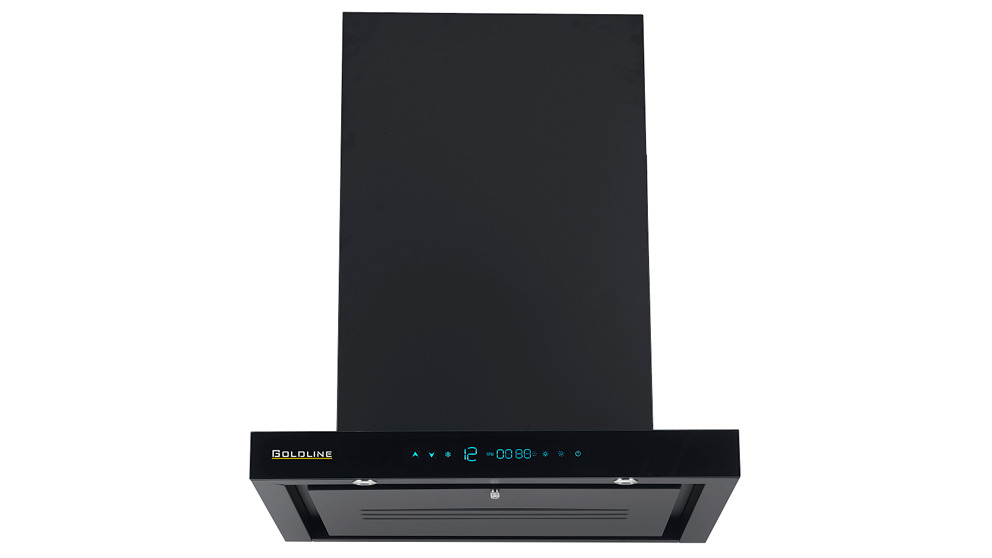
A rangehood might not be the most glamorous part of your kitchen, but it’s a silent powerhouse when it comes to ventilation and cleanliness. Not sure if your kitchen needs a rangehood? You’re not alone.
With modern kitchen designs evolving and cooking habits shifting, the necessity of a range hood has become a hot topic for homeowners, renovators, and first-time buyers alike.
In this article, we dive deep into this ventilation unit’s pros and cons, when they are essential, and what factors to consider when deciding whether one is right for you.
What is a Rangehood?
A rangehood (also known as an exhaust hood or vent hood) is a kitchen appliance mounted above the stove or cooktop. Its primary function is to extract smoke, steam, grease, and odours from the air, usually via a duct that vents outside or through filters that recirculate clean air back into the kitchen.
What are Its Advantages?
- Improved Air Quality: Cooking releases smoke, fumes, and airborne grease. A proper air filtration system above your cooktop helps capture these pollutants and vents them outside (ducted) or filters them (ductless), helping to keep the air in your home cleaner.
- Odour Removal: Strong cooking odours, especially from frying or cooking seafood, can linger for hours. With a good ceiling mounted rangehood, unwanted odours can be removed quickly and efficiently.
- Temperature and Moisture Control: Additionally, cooking generates heat and steam, making your kitchen space uncomfortable. With a cooktop ventilator, excess heat and humidity are reduced, improving comfort while you cook.
- Kitchen Cleanliness: Grease particles from cooking naturally settle on cabinets and countertops, creating sticky surfaces. Its feature as an effective exhaust fan reduces grease buildup, making surfaces easier to clean.
- Fire Hazard Reduction: Built-up grease on kitchen surfaces can be flammable. By capturing grease before it spreads, your ventilation system adds a layer of fire safety.
- Increased Home Value: A well-functioning ventilation setup can add value to your kitchen, which is often a selling point for potential homebuyers.
How About Disadvantages?
- Installation Cost: Adding a ducted unit can be costly, particularly if your kitchen wasn’t designed for one. It may require additional structural work, electrical wiring, or ducting installation, which can quickly increase expenses.
- Noise: While many modern models are designed to operate more quietly, some can still be noisy—especially when running at higher speeds. However, there are ultra-quiet and near-silent rangehood options on the market.
- Maintenance: Filters need regular cleaning or replacement to keep the system running efficiently.
- Energy Use: Some high-powered hoods may consume more electricity. This may matter for households aiming to keep energy consumption low.
When Do I Need To Have Rangehood?
While not all kitchens legally require a dedicated ventilation system, there are circumstances where it becomes highly recommended—or even critical:
- Frequent Cooking – Daily cooking builds up smoke, grease, and steam without proper extraction.
- Limited Natural Airflow – Kitchens without windows or with restricted airflow trap heat, moisture, and odours.
- Gas Appliances – Gas cooktops release combustion by-products, making ventilation important.
- Small or Enclosed Spaces – Steam and smoke concentrate faster in compact kitchens.
- Protecting Surfaces and Paintwork – Humidity and grease can stain, discolour, and warp surfaces.
In addition, many building codes and health regulations in Australia mandate the use of adequate kitchen airflow solutions. Since 2019, the National Construction Code (NCC) has required that kitchen exhaust systems vent air directly outside rather than recirculating it indoors.
If you’re installing or upgrading a rangehood in Australia, it’s important to check local requirements to ensure compliance while maintaining a cleaner kitchen environment.
How Can I Keep My Kitchen Fresh Without Traditional Venting?
If you’re short on space, working within a tight budget, or your kitchen layout makes external ducting difficult, there are several practical alternatives:
- Downdraft ventilation systems that pull air sideways into a vent.
- Overhead microwave/hood combos with basic venting.
- Recirculating (ductless) rangehoods that filter and return clean air.
Expert Tips for Choosing the Right Rangehood Appliance
Here are some expert tips to help you make the best choice:
- Measure Your Space Accurately: Match your rangehood size to your cooktop—60cm for 60cm, 90cm for larger setups.
- Check Airflow Capacity: Choose higher airflow if you cook with oil, spices, or high heat.
- Match Your Style: Wall-mounted, under-cabinet, island, and integrated options vary by kitchen layout.
- Factor in Maintenance: Dishwasher-safe filters and replaceable charcoal filters are a plus.
So, Do I Really Need One?
In most modern kitchens, yes. Whether for health, comfort, cleanliness, or resale value, a rangehood offers clear benefits.
Ultimately, consider your cooking habits, kitchen layout, and long-term plans.
Remember that your unit is an investment in your kitchen’s air quality and overall experience.
Cook Smarter with Goldline
Goldline designs with Australian kitchens in mind, blending style with practical features that make cooking more enjoyable. Our collection includes some of the best rangehoods in Australia.
Explore our full range of kitchen appliances and Rangehood options. Take the next step toward a cleaner, fresher, and more enjoyable kitchen today.
Reference:
Australian Building Codes Board. National Construction Code 2022: Housing Provisions – Part 10.8 Condensation Management. Australian Government, 2022.
Curious about the rest of our range? Click and explore more: